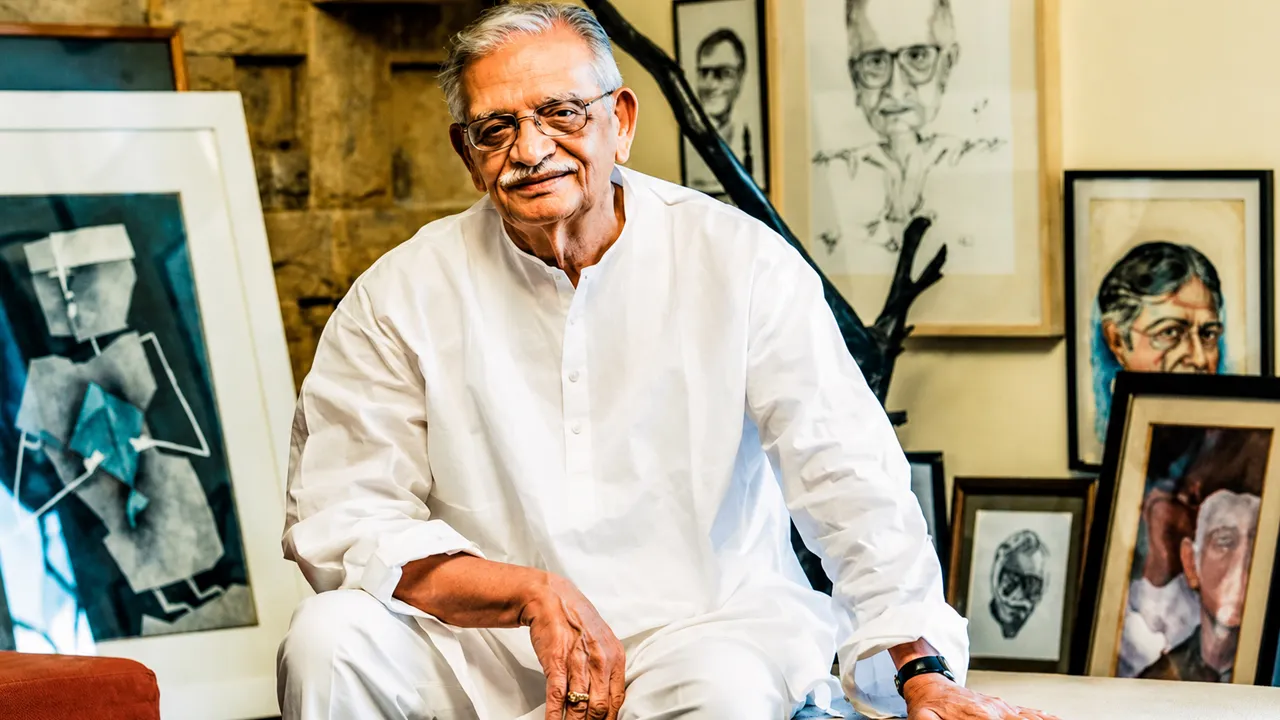
Born Sampooran Singh Kalra in 1934 in Dina, Punjab, Gulzar is one of India’s most celebrated poets, lyricists, writers, and filmmakers. He moved to Delhi after Partition and eventually began his career in Mumbai, where he entered the Hindi film industry as a lyricist.
His early breakthrough came through his association with composer S.D. Burman and filmmaker Bimal Roy, opening the door to a remarkable career in Indian cinema. Over the decades, Gulzar developed a distinctive writing style known for poetic imagery, emotional depth, and unusual use of everyday language.

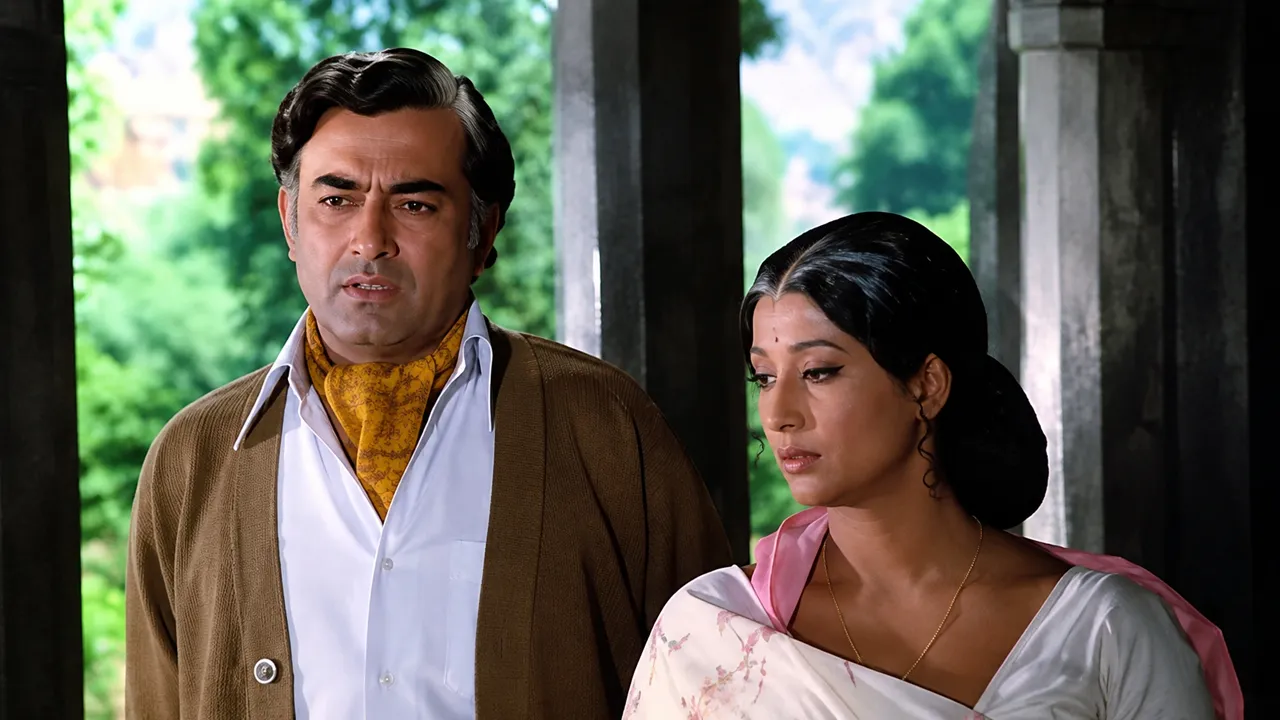
Few songs capture heartbreak and unfinished love as beautifully as Tere Bina Zindagi Se Koi. Written by Gulzar, composed by R.D. Burman, and sung by Lata Mangeshkar and Kishore Kumar, the song appeared in the 1975 film Aandhi.
Its lyrics explore the complicated emotions of two people who remain connected despite being separated by circumstances. Rather than presenting love as simple or perfect, Gulzar gives the song a sense of longing.
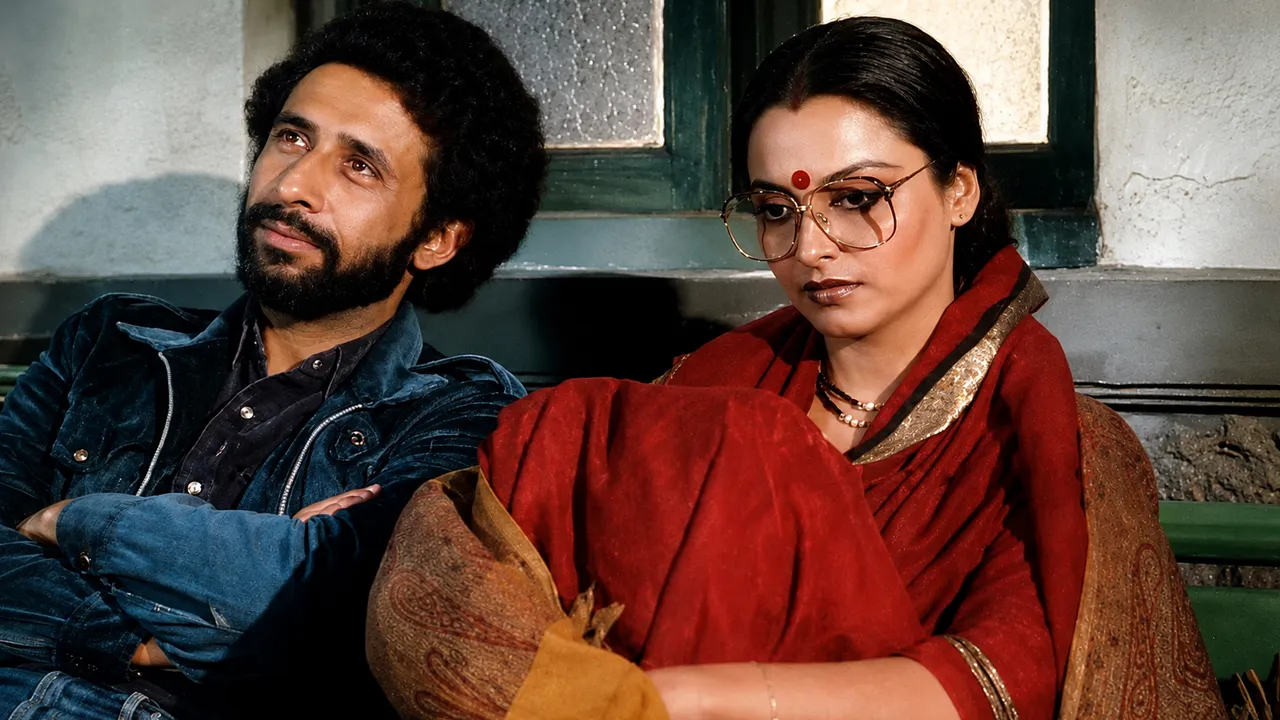
Mera Kuchh Samaan stands among Gulzar’s most distinctive pieces of songwriting. Featured in the 1987 film Ijaazat, the song was composed by R.D. Burman and sung by Asha Bhosle.
Instead of following the conventional structure of a romantic film song, Gulzar uses everyday objects and memories to express the emotional remains of a past relationship. Letters, belongings, memories, and moments become symbols of a love that has ended but refuses to disappear completely.
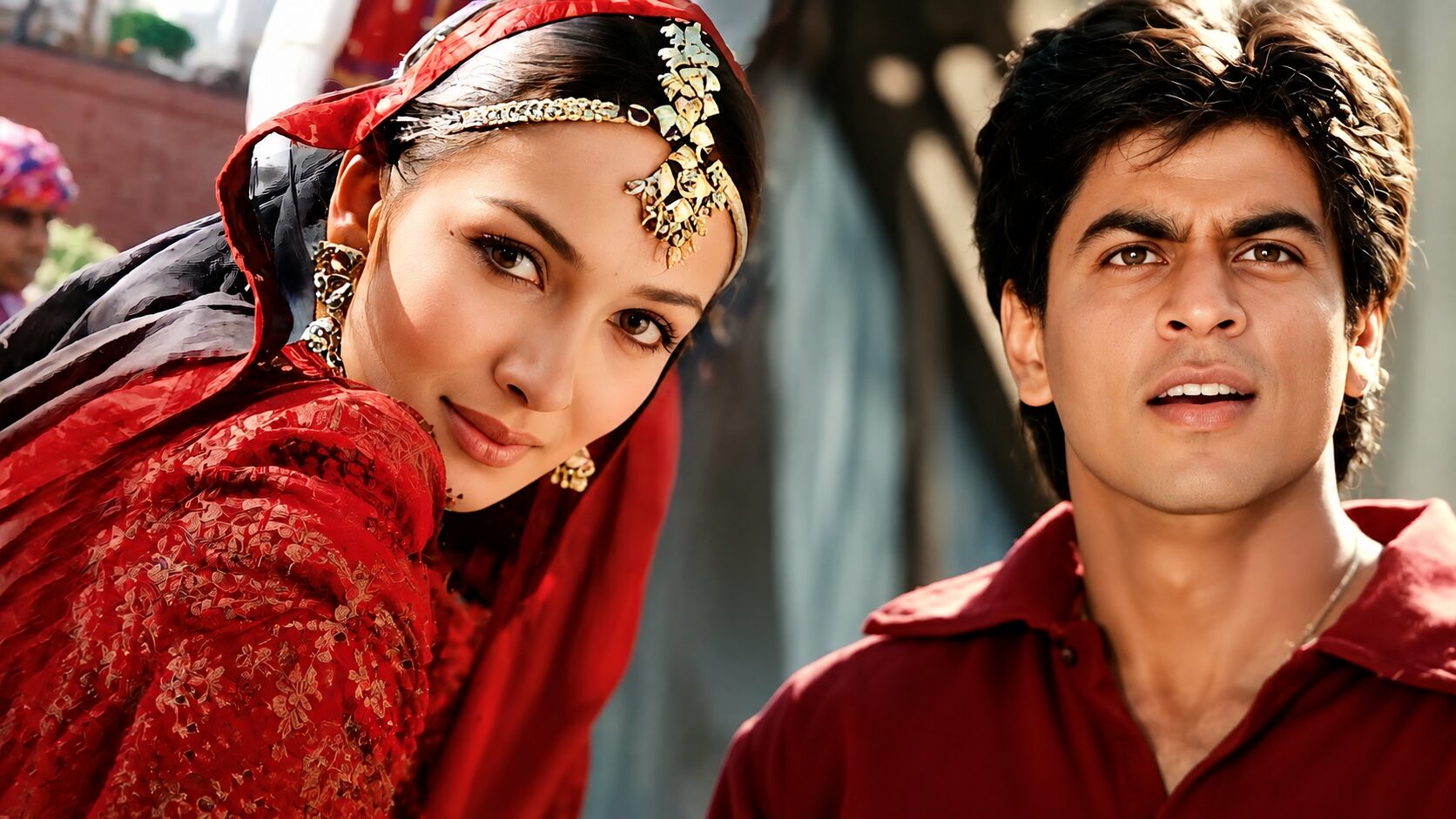
With its unforgettable rhythm and imagery, Chaiyya Chaiyya became one of the defining songs of 1990s Indian cinema. Written by Gulzar, composed by A.R. Rahman, and performed by Sukhwinder Singh and Sapna Awasthi, the song featured in the 1998 film Dil Se...
The song drew inspiration from traditional Sufi poetry while combining it with Rahman’s energetic contemporary sound. Its most famous sequence, featuring Shah Rukh Khan and Malaika Arora.

Released in 1994, Ek Ladki Ko Dekha Toh Aisa Laga became an instant romantic classic. Written by Gulzar, composed by R.D. Burman, and sung by Kumar Sanu, the song expresses the feeling of falling in love through an imaginative series of comparisons.
Rather than simply describing the woman, Gulzar compares her presence to flowers, clouds, poetry, dreams, and other images from nature and everyday life. The lyrics turn an ordinary romantic moment into something almost dreamlike.

Gulzar’s songwriting eventually reached one of the biggest international stages with Jai Ho, written for the 2008 film Slumdog Millionaire. Composed by A.R. Rahman and performed by Sukhwinder Singh, Tanvi Shah, Mahalaxmi Iyer, and Vijay Prakash, the song became a global success.
Its energetic celebration of victory and determination perfectly matched the film’s story of resilience and hope. The song gained worldwide attention after appearing in the film’s climactic sequence.
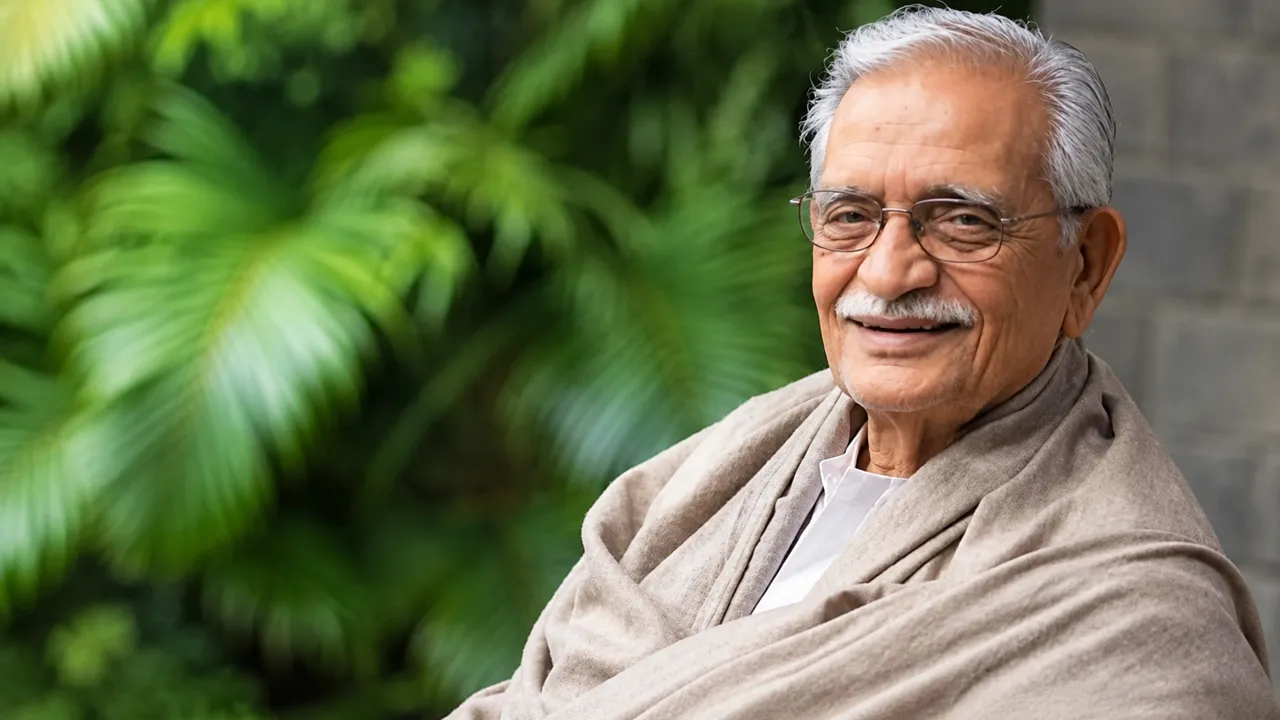
Gulzar’s contribution to Indian music extends far beyond individual hits. Across decades, his lyrics have explored love, separation, memory, childhood, loneliness, hope, and everyday life through language that often feels both poetic and deeply personal.
His collaborations with composers including R.D. Burman, A.R. Rahman, Vishal Bhardwaj, and others produced songs that continue to cross generations. Many of his lyrics became memorable not simply because of their melodies, but because of the unusual images and emotions behind every line.
Born Sampooran Singh Kalra in 1934 in Dina, Punjab, Gulzar is one of India’s most celebrated poets, lyricists, writers, and filmmakers. He moved to Delhi after Partition and eventually began his career in Mumbai, where he entered the Hindi film industry as a lyricist.
Born Sampooran Singh Kalra in 1934 in Dina, Punjab, Gulzar is one of India’s most celebrated poets, lyricists, writers, and filmmakers. He moved to Delhi after Partition and eventually began his career in Mumbai, where he entered the Hindi film industry as a lyricist.
His early breakthrough came through his association with composer S.D. Burman and filmmaker Bimal Roy, opening the door to a remarkable career in Indian cinema. Over the decades, Gulzar developed a distinctive writing style known for poetic imagery, emotional depth, and unusual use of everyday language.
Few songs capture heartbreak and unfinished love as beautifully as Tere Bina Zindagi Se Koi. Written by Gulzar, composed by R.D. Burman, and sung by Lata Mangeshkar and Kishore Kumar, the song appeared in the 1975 film Aandhi.
Its lyrics explore the complicated emotions of two people who remain connected despite being separated by circumstances. Rather than presenting love as simple or perfect, Gulzar gives the song a sense of longing.
Mera Kuchh Samaan stands among Gulzar’s most distinctive pieces of songwriting. Featured in the 1987 film Ijaazat, the song was composed by R.D. Burman and sung by Asha Bhosle.
Instead of following the conventional structure of a romantic film song, Gulzar uses everyday objects and memories to express the emotional remains of a past relationship. Letters, belongings, memories, and moments become symbols of a love that has ended but refuses to disappear completely.
With its unforgettable rhythm and imagery, Chaiyya Chaiyya became one of the defining songs of 1990s Indian cinema. Written by Gulzar, composed by A.R. Rahman, and performed by Sukhwinder Singh and Sapna Awasthi, the song featured in the 1998 film Dil Se...
The song drew inspiration from traditional Sufi poetry while combining it with Rahman’s energetic contemporary sound. Its most famous sequence, featuring Shah Rukh Khan and Malaika Arora.
Released in 1994, Ek Ladki Ko Dekha Toh Aisa Laga became an instant romantic classic. Written by Gulzar, composed by R.D. Burman, and sung by Kumar Sanu, the song expresses the feeling of falling in love through an imaginative series of comparisons.
Rather than simply describing the woman, Gulzar compares her presence to flowers, clouds, poetry, dreams, and other images from nature and everyday life. The lyrics turn an ordinary romantic moment into something almost dreamlike.
Gulzar’s songwriting eventually reached one of the biggest international stages with Jai Ho, written for the 2008 film Slumdog Millionaire. Composed by A.R. Rahman and performed by Sukhwinder Singh, Tanvi Shah, Mahalaxmi Iyer, and Vijay Prakash, the song became a global success.
Its energetic celebration of victory and determination perfectly matched the film’s story of resilience and hope. The song gained worldwide attention after appearing in the film’s climactic sequence.
Gulzar’s contribution to Indian music extends far beyond individual hits. Across decades, his lyrics have explored love, separation, memory, childhood, loneliness, hope, and everyday life through language that often feels both poetic and deeply personal.
His collaborations with composers including R.D. Burman, A.R. Rahman, Vishal Bhardwaj, and others produced songs that continue to cross generations. Many of his lyrics became memorable not simply because of their melodies, but because of the unusual images and emotions behind every line.