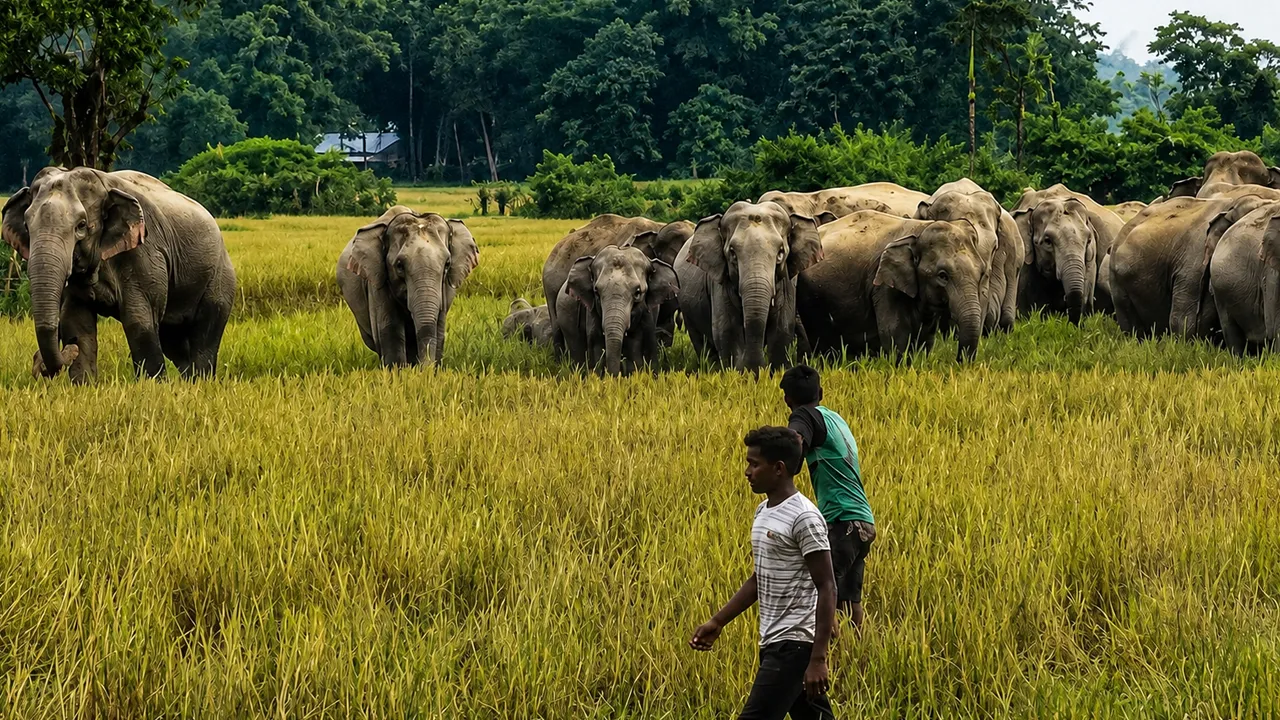
Across India, communities living near forests and wildlife habitats are playing an increasingly important role in protecting animals and reducing human wildlife conflict.
In Rajasthan, the Bishnoi community has a centuries old tradition of protecting trees and animals. In Uttar Pradesh, local Bagh Mitras help authorities respond when tigers enter farmland. In Assam, community groups are helping protect villages from elephant crop raids.
These efforts show that conservation is not limited to national parks and forest departments.

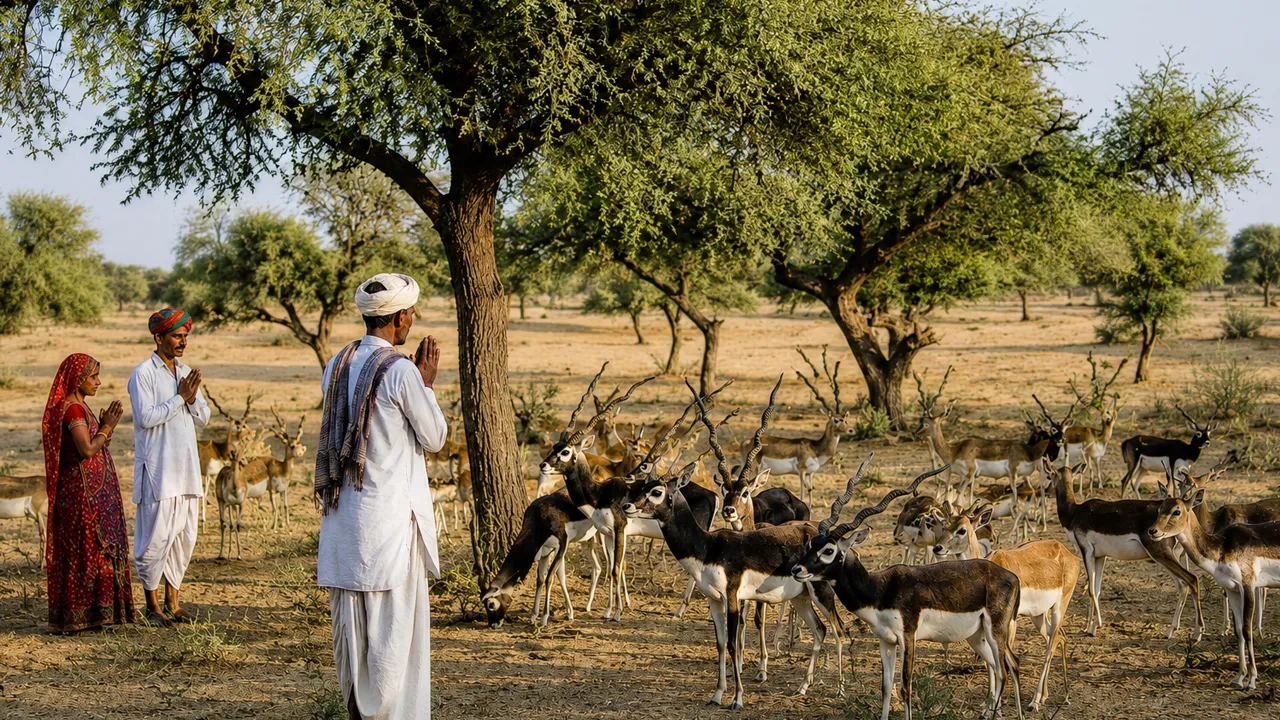
The Bishnoi community of Rajasthan is one of India's best known examples of traditional conservation. Their principles emphasize compassion towards living beings and protection of trees and wildlife.
Their history is closely associated with the Khejarli sacrifice of 1730, when Amrita Devi Bishnoi and more than 300 members of the community were killed while resisting the cutting of khejri trees.
Today, Bishnoi communities continue to be associated with the protection of wildlife such as blackbuck and chinkara in Rajasthan.
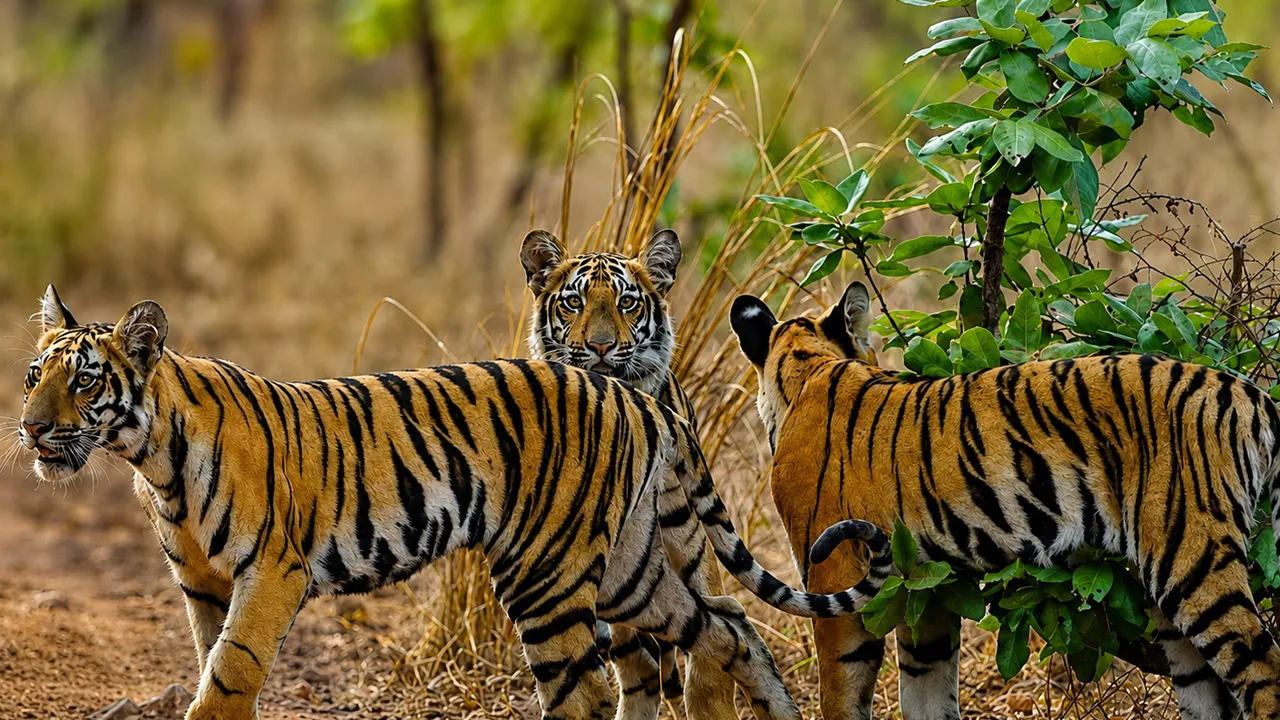
In parts of Uttar Pradesh, local volunteers known as Bagh Mitras are helping reduce conflict between people and tigers.
WWF India trains these community volunteers to collect information about tiger movements in farmland and alert authorities when animals enter areas used by people. They can also serve as first responders during wildlife emergencies.
According to WWF India, it has trained more than 300 Bagh Mitras in Uttar Pradesh.
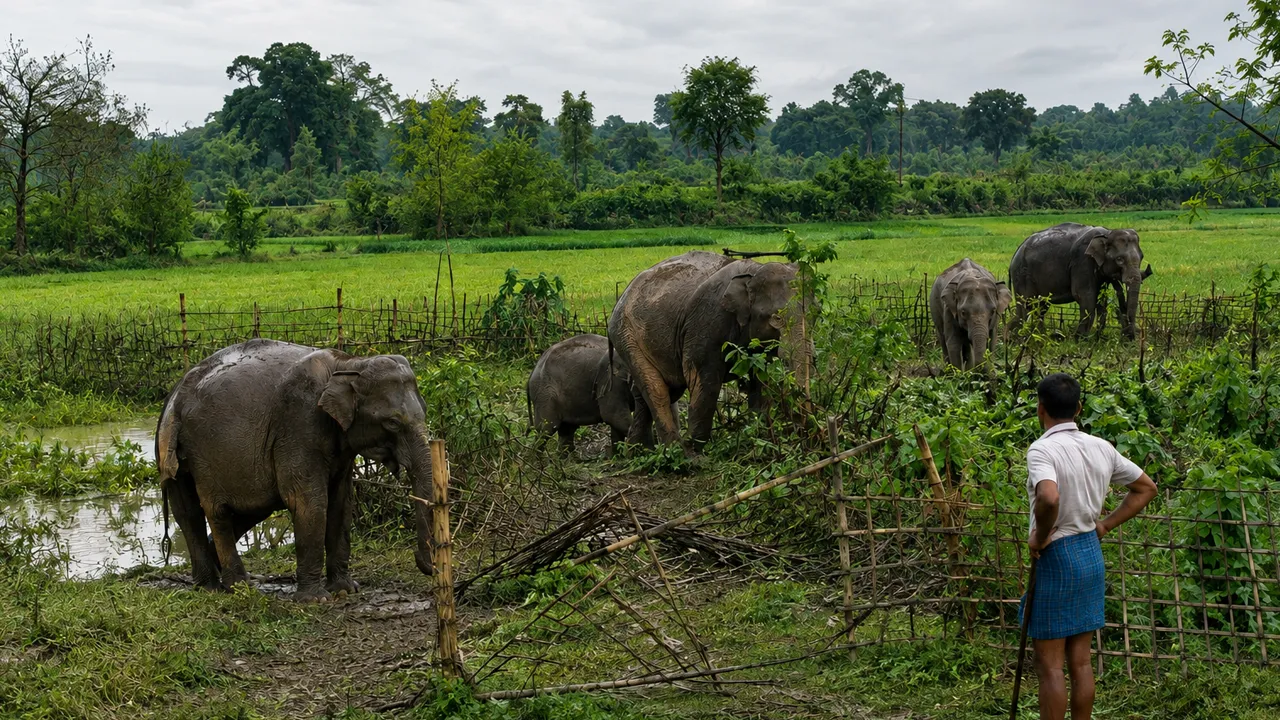
In Toribari village in West Bengal, elephants had caused serious crop losses as they moved between forest areas. According to Wildlife Trust of India, the village had previously lost up to 50% of its annual crops to elephant raids.
A community focused Early Warning System was introduced through a Rapid Action Project involving the Wildlife Trust of India, Green Guard Nature Organisation and other partners.
The system helped villagers receive warnings when elephants approached, allowing them to respond before animals reached their fields.
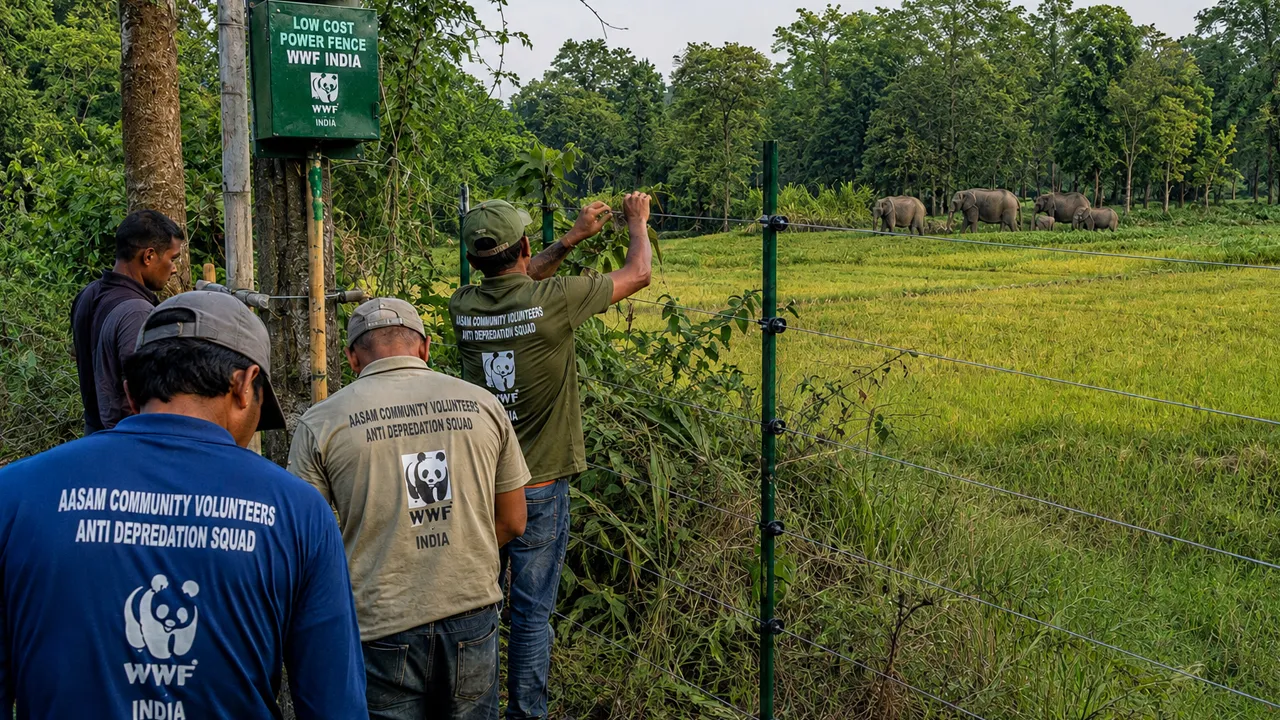
Across Assam's Kaziranga and Karbi Anglong landscape, communities are also becoming part of conservation efforts.
WWF India reports that community based strategies have helped protect more than 5,500 hectares of agricultural land across 280 villages from crop damage caused by wild elephants. These measures include community anti depredation squads and low cost power fencing.
The organization has also supported nine Community Conserved Areas in Karbi Anglong, covering almost 140 square kilometres.
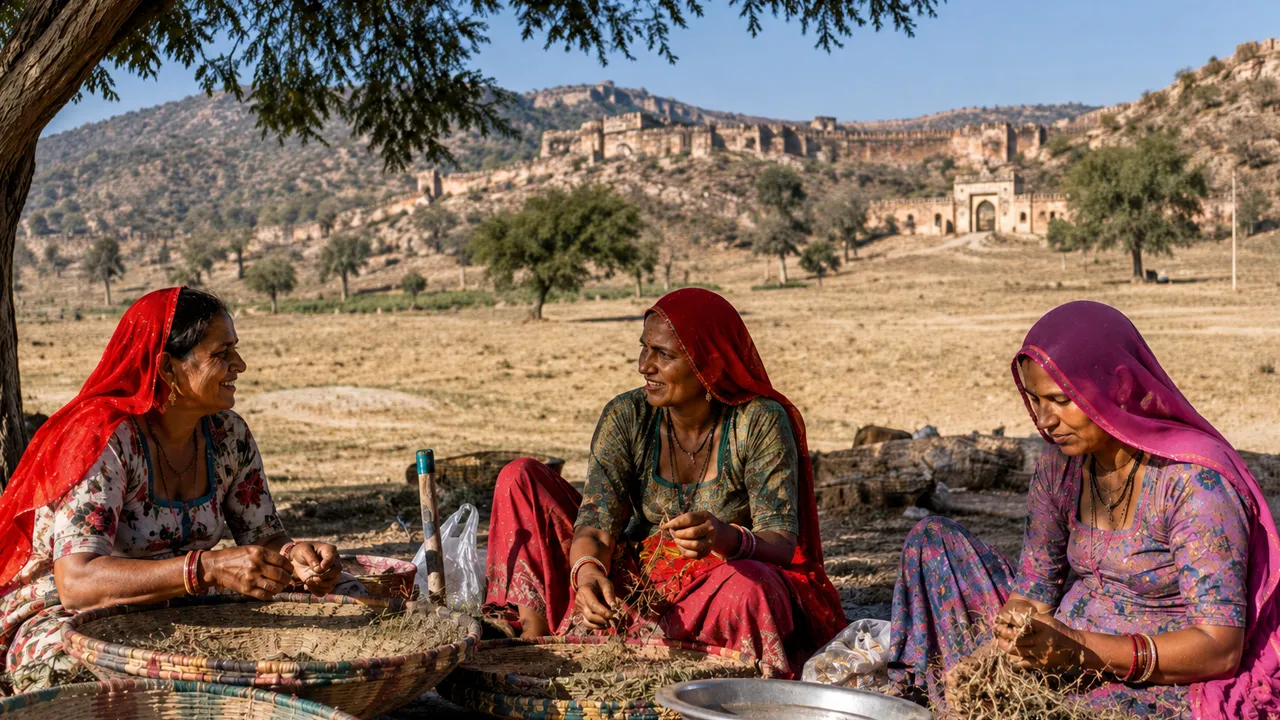
From Rajasthan's Bishnoi communities to tiger volunteers in Uttar Pradesh and villages working to prevent elephant conflict in Assam, India's conservation story includes people who live closest to wildlife.
These examples show that protecting animals is not simply about creating protected areas. It can also involve early warning systems, community volunteers, sustainable livelihoods, local knowledge and conservation education.
In the Terai landscape, for example, WWF India works with communities on wildlife corridors, conflict mitigation and sustainable livelihoods.
Across India, communities living near forests and wildlife habitats are playing an increasingly important role in protecting animals and reducing human wildlife conflict.
Across India, communities living near forests and wildlife habitats are playing an increasingly important role in protecting animals and reducing human wildlife conflict.
In Rajasthan, the Bishnoi community has a centuries old tradition of protecting trees and animals. In Uttar Pradesh, local Bagh Mitras help authorities respond when tigers enter farmland. In Assam, community groups are helping protect villages from elephant crop raids.
These efforts show that conservation is not limited to national parks and forest departments.
The Bishnoi community of Rajasthan is one of India's best known examples of traditional conservation. Their principles emphasize compassion towards living beings and protection of trees and wildlife.
Their history is closely associated with the Khejarli sacrifice of 1730, when Amrita Devi Bishnoi and more than 300 members of the community were killed while resisting the cutting of khejri trees.
Today, Bishnoi communities continue to be associated with the protection of wildlife such as blackbuck and chinkara in Rajasthan.
In parts of Uttar Pradesh, local volunteers known as Bagh Mitras are helping reduce conflict between people and tigers.
WWF India trains these community volunteers to collect information about tiger movements in farmland and alert authorities when animals enter areas used by people. They can also serve as first responders during wildlife emergencies.
According to WWF India, it has trained more than 300 Bagh Mitras in Uttar Pradesh.
In Toribari village in West Bengal, elephants had caused serious crop losses as they moved between forest areas. According to Wildlife Trust of India, the village had previously lost up to 50% of its annual crops to elephant raids.
A community focused Early Warning System was introduced through a Rapid Action Project involving the Wildlife Trust of India, Green Guard Nature Organisation and other partners.
The system helped villagers receive warnings when elephants approached, allowing them to respond before animals reached their fields.
Across Assam's Kaziranga and Karbi Anglong landscape, communities are also becoming part of conservation efforts.
WWF India reports that community based strategies have helped protect more than 5,500 hectares of agricultural land across 280 villages from crop damage caused by wild elephants. These measures include community anti depredation squads and low cost power fencing.
The organization has also supported nine Community Conserved Areas in Karbi Anglong, covering almost 140 square kilometres.
From Rajasthan's Bishnoi communities to tiger volunteers in Uttar Pradesh and villages working to prevent elephant conflict in Assam, India's conservation story includes people who live closest to wildlife.
These examples show that protecting animals is not simply about creating protected areas. It can also involve early warning systems, community volunteers, sustainable livelihoods, local knowledge and conservation education.
In the Terai landscape, for example, WWF India works with communities on wildlife corridors, conflict mitigation and sustainable livelihoods.