
Across India, meaningful change is often driven by people working far from the spotlight. They include environmentalists protecting forests, teachers reaching children in underserved communities, social workers caring for abandoned children and volunteers making sure surplus food reaches people who need it.
Their contributions can be measured in very tangible ways: trees planted, children educated, meals distributed and families supported
From Karnataka's Tulsi Gowda to Maharashtra's Sindhutai Sapkal and Mumbai's Rouble Nagi, these individuals turned personal commitment into work that affected thousands of lives.


Tulsi Gowda, an environmentalist from Karnataka's Halakki tribal community, spent decades working with the Forest Department and caring for trees and seedlings.
Known for her extensive knowledge of native plants, she became popularly known as the Encyclopedia of the Forest. Reports have credited her with planting and nurturing tens of thousands of saplings during her decades of environmental work.
Her contribution received national recognition when she was awarded the Padma Shri in 2021 for her work in environmental conservation

Sindhutai Sapkal, popularly known as Mai, devoted her life to caring for orphaned and abandoned children in Maharashtra.
After experiencing severe personal hardship, she began taking in children who had nowhere to go. Her work eventually developed into a network of institutions providing children with shelter, education, care and support.
The President of India noted that Sapkal had nurtured more than 1,500 orphaned children over 45 years when she received the Padma Shri in 2021.
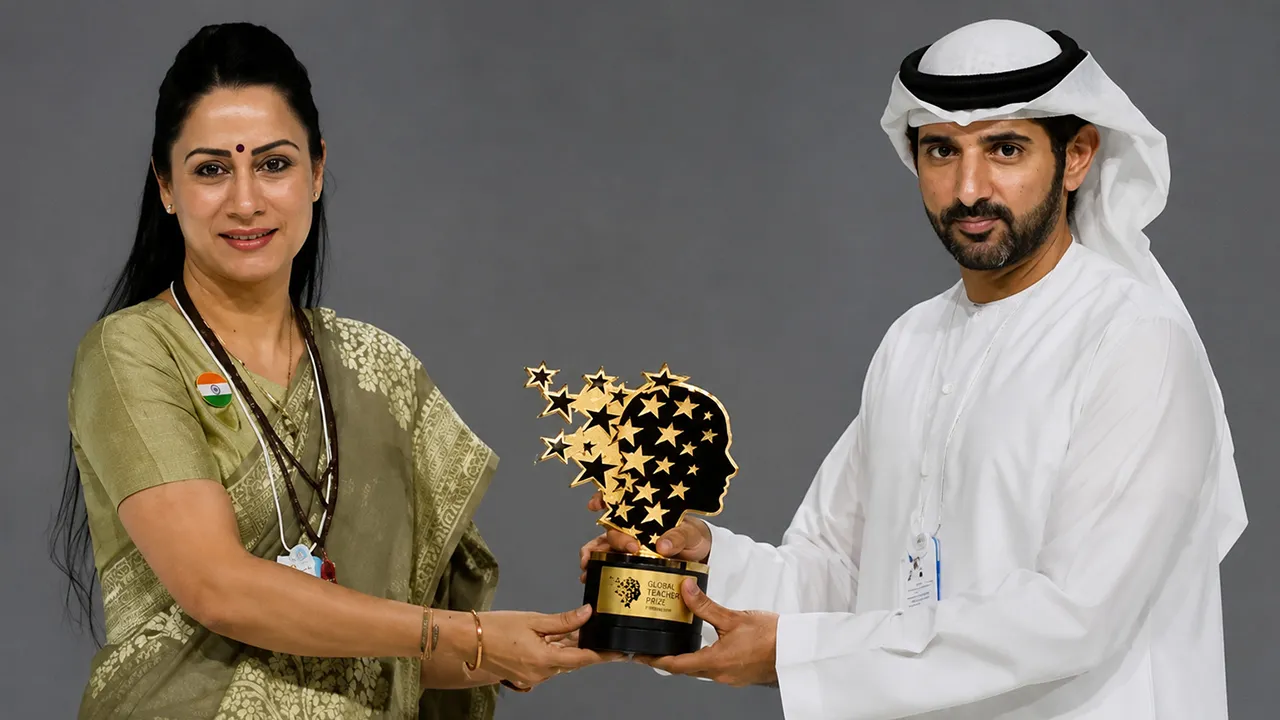
Rouble Nagi, an Indian teacher and social activist, has taken education beyond conventional classrooms by bringing learning directly into underserved communities.
Through the Rouble Nagi Art Foundation, she has established more than 800 learning centres across India, using art, murals and community spaces to teach children literacy, mathematics, science and other subjects.

The Robin Hood Army has built a volunteer network around a simple idea: redirect surplus food to people who need it.
Founded in Delhi in 2014, the organization collects surplus food from restaurants, hotels, events and communities and distributes it through local volunteer chapters.
Its own records show that between 2020 and 2024, the organization had more than 266,900 volunteers.

Ranjitsinh Disale, a teacher from Paritewadi village in Maharashtra, transformed the learning experience of girls at his rural primary school.
When he arrived at the school in 2009, it was in poor condition, attendance among girls from tribal communities was extremely low and students struggled because lessons were not available in their primary language.
Disale learned the local language, translated textbooks and introduced QR codes linking lessons to audio, video and other digital resources.
Across India, meaningful change is often driven by people working far from the spotlight. They include environmentalists protecting forests, teachers reaching children in underserved communities, social workers caring for abandoned children and volunteers making sure surplus food reaches people who need it.
Across India, meaningful change is often driven by people working far from the spotlight. They include environmentalists protecting forests, teachers reaching children in underserved communities, social workers caring for abandoned children and volunteers making sure surplus food reaches people who need it.
Their contributions can be measured in very tangible ways: trees planted, children educated, meals distributed and families supported
From Karnataka's Tulsi Gowda to Maharashtra's Sindhutai Sapkal and Mumbai's Rouble Nagi, these individuals turned personal commitment into work that affected thousands of lives.
Tulsi Gowda, an environmentalist from Karnataka's Halakki tribal community, spent decades working with the Forest Department and caring for trees and seedlings.
Known for her extensive knowledge of native plants, she became popularly known as the Encyclopedia of the Forest. Reports have credited her with planting and nurturing tens of thousands of saplings during her decades of environmental work.
Her contribution received national recognition when she was awarded the Padma Shri in 2021 for her work in environmental conservation
Sindhutai Sapkal, popularly known as Mai, devoted her life to caring for orphaned and abandoned children in Maharashtra.
After experiencing severe personal hardship, she began taking in children who had nowhere to go. Her work eventually developed into a network of institutions providing children with shelter, education, care and support.
The President of India noted that Sapkal had nurtured more than 1,500 orphaned children over 45 years when she received the Padma Shri in 2021.
Rouble Nagi, an Indian teacher and social activist, has taken education beyond conventional classrooms by bringing learning directly into underserved communities.
Through the Rouble Nagi Art Foundation, she has established more than 800 learning centres across India, using art, murals and community spaces to teach children literacy, mathematics, science and other subjects.
The Robin Hood Army has built a volunteer network around a simple idea: redirect surplus food to people who need it.
Founded in Delhi in 2014, the organization collects surplus food from restaurants, hotels, events and communities and distributes it through local volunteer chapters.
Its own records show that between 2020 and 2024, the organization had more than 266,900 volunteers.
Ranjitsinh Disale, a teacher from Paritewadi village in Maharashtra, transformed the learning experience of girls at his rural primary school.
When he arrived at the school in 2009, it was in poor condition, attendance among girls from tribal communities was extremely low and students struggled because lessons were not available in their primary language.
Disale learned the local language, translated textbooks and introduced QR codes linking lessons to audio, video and other digital resources.